Published on
- 9 min read
Microsoft Project Solara: The First Operating System Built for AI Agents Instead of Apps
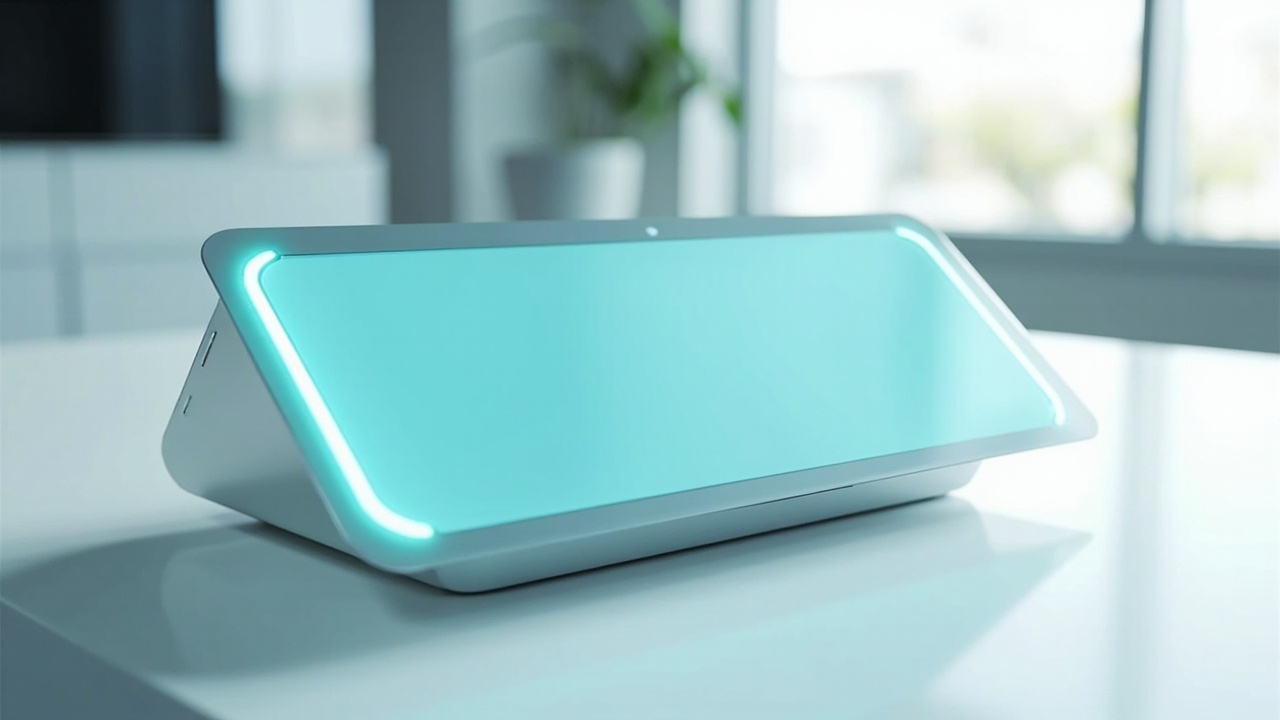
By crayfish · June 10, 2026 · Category: AI Agents
For forty years, every computer you’ve owned — your laptop, your phone, your watch, your router — has run on the same fundamental idea: apps. You tap an icon. The app opens. You do a thing. You close the app. The whole industry is organized around that loop.
At Microsoft Build 2026 (June 2–3, San Francisco), Microsoft technical fellow Stevie Bathiche stood on the keynote stage and essentially said: that loop is over.
The vehicle for this declaration is Project Solara, a chip-to-cloud platform Microsoft is calling the first operating system designed from the ground up for agent-first devices — hardware that runs AI agents instead of traditional apps. Two enterprise reference devices (a desk companion and a wearable smart badge) were shown on stage, with pilots already underway at Best Buy, CVS Health, Levi’s, Target, and AccuWeather.
If Microsoft is right, Solara is the most consequential platform shift since Windows 95. If Microsoft is wrong, it’s still the most interesting hardware bet of 2026. Either way, every developer, IT leader, and AI-curious professional needs to understand what it is and why it matters.
What Exactly Is Project Solara?
In Bathiche’s own words from the official Command Line blog post, Solara is a “chip-to-cloud platform designed for an open, multiple-agent world.” That’s a deliberately strange phrase, so let’s break it down:
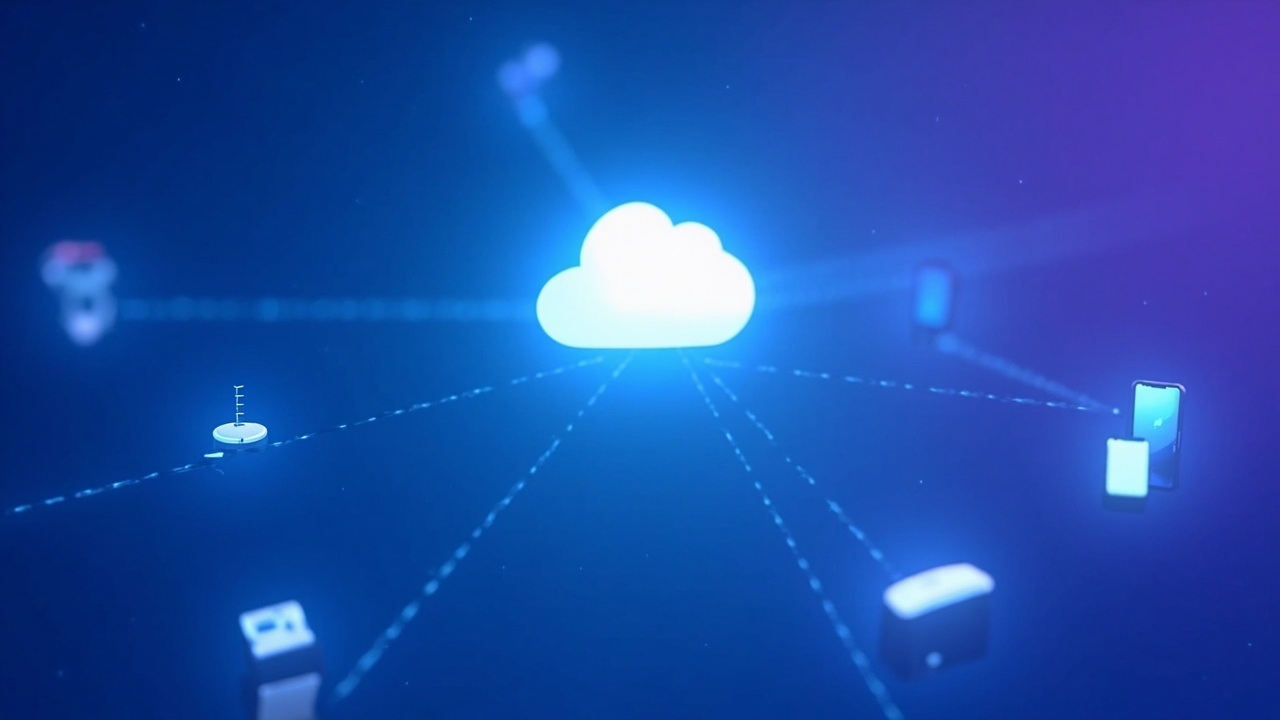
- “Chip-to-cloud” means the OS doesn’t live on a single device. It’s liminal — minimal on the edge, with state and heavy compute floating in Azure. The hardware is just a window into an agent that may actually be running somewhere else entirely.
- “Agent-first” means the primary unit of interaction is no longer an application. It’s an agent. You don’t open Excel to make a spreadsheet; you ask your agent to produce one, and the agent decides which tools to invoke.
- “Open, multiple-agent world” means Microsoft agents, third-party agents, and the agents you build yourself all coexist. Solara is not a walled garden for Copilot — it’s the substrate they all share.
The underlying OS is based on AOSP (Android Open Source Project) and is bundled into a layer Microsoft calls the Microsoft Device Ecosystem Platform (MDEP). So OEMs and enterprises can start prototyping Solara devices on existing Arm silicon from Qualcomm and MediaTek — no custom Microsoft chip required (yet).
The Three Generations of AI Apps — and Why Solara Is the Third
Bathiche’s intellectual frame is worth understanding, because it explains why Microsoft is making this bet now. He traces three generations of AI app structures:
| Generation | Where the AI Lives | Example | Status |
|---|---|---|---|
| 1. Beside AI | AI is a helper alongside your existing app | Copilot sidebar in Word | Live today |
| 2. Inside AI | AI is the main input loop of the app | Researcher in Office, Agent Mode | Shipping now |
| 3. Outside AI | AI operates across apps, orchestrating them | Coworker agents, OpenClaw-style claws | Emerging now |
Project Solara is built for Generation 3. When the agent sits outside every app and orchestrates workflows across them, you no longer need a beautiful icon grid on your phone. You need a microphone, a camera, a screen, and a fast path to the agent in the cloud. That’s a Solara device.
The Two Reference Devices Microsoft Actually Showed
This is not vaporware. Microsoft demonstrated two working concepts on stage, and both are already in internal pilots with hundreds of employees:
1. The Desk Concept (Stationary)
- Touchscreen display, cameras, microphones, presence sensor
- Unlocks via facial recognition (Windows Hello Business under the hood)
- USB-C ports for expansion
- Designed for fixed workstations in retail, healthcare, and finance
- Think: an Amazon Echo Show for your enterprise workflow, but with full Intune/Entra ID management
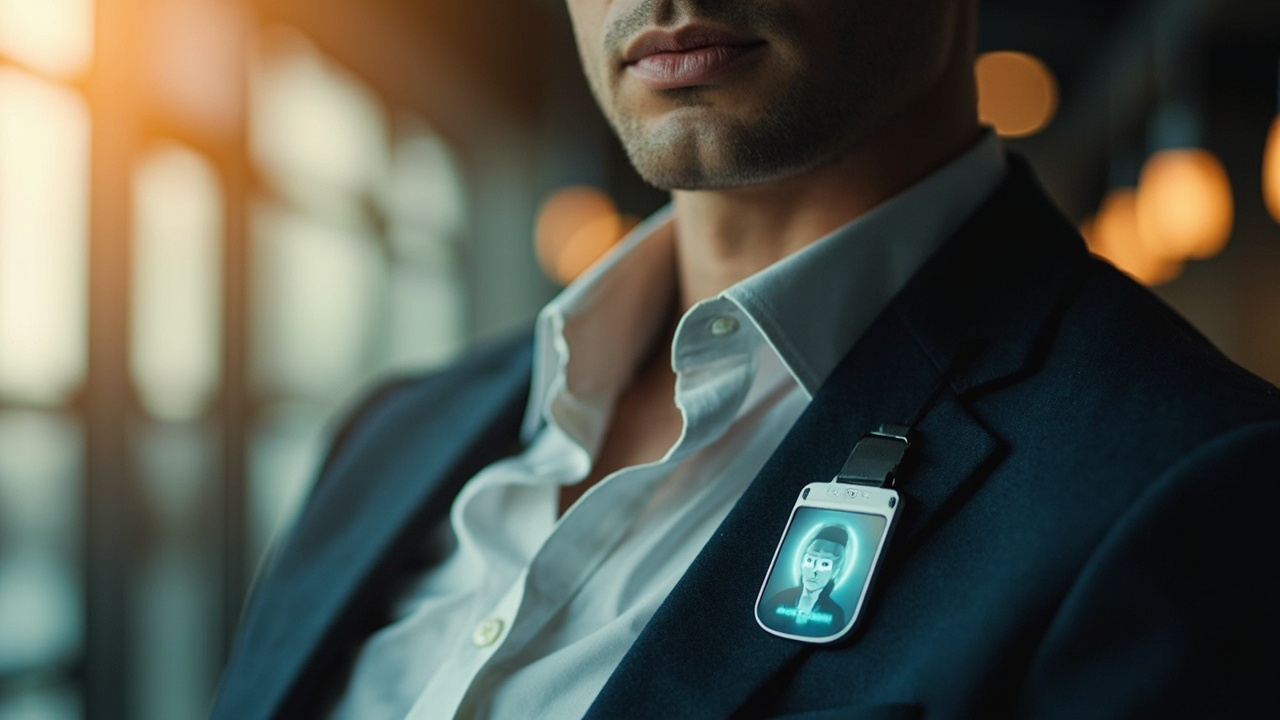
2. The Badge Concept (Mobile)
- Wearable form factor with 5G connectivity
- Voice and vision input, small touchscreen, camera
- Glanceable access to the right agent at the right moment
- Designed for clinicians, retail associates, warehouse workers — anyone whose hands are full but whose context is rich
Both run on the same MDEP-based OS and use the same just-in-time UI model: the agent dynamically renders whatever interface it needs for whatever device it’s currently on. No more redesigning every app for every form factor.
Why This Is Bigger Than Microsoft
Even if you never buy a Solara device, the strategic implications are global:
- The end of the “app store” as the center of gravity. If agents become the unit of programming, the operating system becomes a thin runtime, and the value shifts to whoever controls the agent distribution layer. Microsoft is racing to own that layer before Apple, Google, or Amazon does.
- The agent economy needs new hardware. We have spent ten years designing UIs for thumbs and cursors. Agents need devices that are always-listening, always-watching, and always-available — without the privacy nightmare of strapping a smartphone to your face. Solara reference designs are Microsoft’s answer to that constraint.
- Enterprise manageability is the moat. MDEP ships with Microsoft Intune, Entra ID, and Windows Hello Business built in. That’s not glamorous, but it’s the reason a Fortune 500 CISO can sign off on a Solara pilot. Apple and Google can’t replicate that identity stack on a third-party OEM device overnight.
- The chip-to-cloud framing legitimizes hybrid AI. For years, “edge AI” has been a buzzword without a clear winner. Solara’s bet — that the OS itself should be liminal, with state shared between the device and Azure — is the cleanest articulation yet of where AI compute actually belongs in 2026.
A Hands-On Mental Walkthrough: A Day With Solara
Since Solara isn’t shipping to consumers yet, let’s imagine you’re a pharmacy manager at CVS Health in the external pilot. Your day looks like this:
- 7:30 AM — Walk in. You walk into the store. The desk concept recognizes your face, signs you in via Entra ID, and your shift agent appears on screen. It already knows the day’s script volume, the two callouts on the schedule, and the regional flu surge from yesterday’s data.
- 8:15 AM — Drug interaction question. A customer asks about a drug interaction. You speak into your badge: “Agent, check interaction between lisinopril and the OTC ibuprofen this customer is buying.” The agent queries the pharmacy system, the customer’s profile, and the latest FDA database, then whispers back a one-sentence answer in your ear.
- 11:00 AM — Vendor call. A vendor calls. Your scheduling agent handles it, books a 20-minute slot tomorrow, and pings you only if the meeting requires a human decision.
- 2:30 PM — Stockout alert. A stockout alert fires on your badge. You glance at it, say “reorder 200 units of amoxicillin 500mg,” and the procurement agent files the PO and emails the distributor.
- 6:00 PM — Walk out. You walk out. The badge locks itself. The desk concept wipes its local state (everything important already lives in Azure, behind your tenant boundary).
That’s not a futuristic demo. That’s what Microsoft is piloting right now.
How Developers Should Prepare
If you build software for a living, Project Solara is a signal you can’t ignore:
- Stop optimizing for app store placement. Start designing agent skills — small, composable capabilities that an agent can invoke. Microsoft Foundry’s Toolboxes and Skills (also new at Build 2026) are the on-ramp.
- Learn the Agent Control Specification. Microsoft open-sourced it at Build. It’s the closest thing yet to a portable manifest for declaring what an agent can and cannot do.
- Get fluent with multi-agent orchestration. Patterns like A2A (Agent-to-Agent), incoming A2A on Foundry, and the Routines feature in Foundry Agent Service are no longer research demos — they’re production primitives shipping within weeks.
- Design for just-in-time UI. Assume your UI is going to be rendered dynamically by an agent on whatever surface it lands. Stop hand-crafting pixel-perfect screens; start designing information shapes an agent can compose.
What Could Go Wrong
No honest assessment skips the risks:
- Privacy backlash. Always-listening badges in retail and healthcare will face immediate scrutiny from labor unions and regulators. The EU AI Act’s August 2, 2026 deadline for high-risk AI compliance is exactly 53 days away — Solara deployments will have to clear that bar on day one.
- Developer ecosystem chicken-and-egg. If app makers don’t build Solara-shaped experiences, the devices are expensive desk ornaments. Microsoft is betting OEMs and ISVs will follow.
- The OpenAI question. Microsoft and OpenAI’s relationship is “no longer exclusive” but still entangled. If OpenAI’s agent stack diverges from Foundry’s, Solara could end up fragmented.
- Consumer irrelevance. Bathiche was explicit that the first Solara devices are enterprise-only. There’s a real risk the consumer version never arrives, and Solara becomes the next HoloLens — impressive, unloved.
The Verdict: The First Real “Post-App” Platform
Whether or not Project Solara becomes the next Windows, Microsoft has done something genuinely new at Build 2026: it has articulated a coherent vision for what computing looks like after apps. The desk concept and the badge concept are not the point. The chip-to-cloud agent-first OS model is the point.
If you remember the jump from DOS to Windows, from PC to smartphone, from on-prem to cloud — you remember how those shifts felt obvious only in retrospect. Project Solara is Microsoft’s bet that this is the next one of those.
The external pilots start “in the coming months.” The enterprise manageability is already real. The developer primitives are already shipping in Foundry. The hardware reference designs are already in Best Buy’s and CVS’s hands.
The post-app era isn’t coming. It’s here, it just doesn’t have an icon yet.
Sources
- Microsoft Command Line Blog — “Composing a new platform for agent-first devices” (Bathiche, June 2026)
- Microsoft Build 2026 Keynote, June 2–3, San Francisco
- Thurrott.com — “Build 2026: Microsoft Project Solara Envisions a Future of Agent-First Devices”
- The Verge — “Microsoft’s Project Solara is an OS for AI agent gadgets”
- Ars Technica — “Microsoft’s Project Solara is an Android OS designed for agents instead of apps”
- The Next Web — “Microsoft unveils Project Solara: an OS for agent-first devices”
- Microsoft Dev Blogs — “What’s new in Microsoft Foundry — Build Edition” (companion announcement)
Version verification: Project Solara announced June 2–3, 2026 at Microsoft Build. MDEP (Microsoft Device Ecosystem Platform) confirmed as the underlying OS layer. External pilot partners (Best Buy, CVS Health, Levi’s, Target, AccuWeather) cross-verified across Microsoft Command Line, Thurrott, The Verge, and The Next Web. Project Solara is positioned as enterprise-only at launch; no consumer availability has been announced.
Related Articles

GPT-5.5 Deep Dive: The AI That Codes, Reasons, and Now Controls Your Computer
OpenAI's latest flagship model doesn't just think harder — it acts. GPT-5.5's agentic capabilities a...
Microsoft 365 Copilot Wave 3: From AI Assistant to Autonomous Coworker
Microsoft 365 Copilot Wave 3 marks a fundamental shift in enterprise AI. Copilot Cowork, Agent Mode,...
NVIDIA RTX Spark: Reinventing the PC for the Personal AI Agent Era
Jensen Huang announced RTX Spark at COMPUTEX 2026 — a superchip purpose-built for running personal A...